%2Ffit-in%2F250x250%2Fguide_websites%2F59295%2Fimages%2F177552244756457920f80-b7d0-477b-9a84-16a76a49353c.png&w=1920&q=100)
/users/a88fec25-f0a6-4bc2-9119-f092fa74e2f2/ratecard/20-mk4re6gu.jpg)
%2F300x300%2Fusers%2Fa88fec25-f0a6-4bc2-9119-f092fa74e2f2%2Fratecard%2F20-mk4re6gu.jpg&w=256&q=75)
%2F300x300%2Fusers%2Fa88fec25-f0a6-4bc2-9119-f092fa74e2f2%2Fimages%2Fsnook-caught-homosassa-fishing-2609.jpg&w=256&q=75)
%2F300x300%2Fusers%2Fa88fec25-f0a6-4bc2-9119-f092fa74e2f2%2Fimages%2Fspotted-weakfish-florida-fishing-2625.jpg&w=256&q=75)
%2F300x300%2Fusers%2Fa88fec25-f0a6-4bc2-9119-f092fa74e2f2%2Fimages%2Ffishing-homosassa-2505.jpg&w=256&q=75)
%2F300x300%2Fusers%2Fa88fec25-f0a6-4bc2-9119-f092fa74e2f2%2Fimages%2Ftripletail-fishing-florida-2630.jpg&w=256&q=75)
%2F300x300%2Fusers%2Fa88fec25-f0a6-4bc2-9119-f092fa74e2f2%2Fimages%2Fhomosassa-fishing-spot-2690.jpg&w=256&q=75)
%2F300x300%2Fusers%2Fa88fec25-f0a6-4bc2-9119-f092fa74e2f2%2Fimages%2Fspotted-weakfish-homosassa-2603.jpg&w=256&q=75)
%2F300x300%2Fusers%2Fa88fec25-f0a6-4bc2-9119-f092fa74e2f2%2Fimages%2Fspotted-weakfish-fishing-homosassa-2596.jpg&w=256&q=75)
%2F300x300%2Fusers%2Fa88fec25-f0a6-4bc2-9119-f092fa74e2f2%2Fimages%2Ffishing-adventure-fl-2643.jpg&w=256&q=75)
%2F300x300%2Fusers%2Fa88fec25-f0a6-4bc2-9119-f092fa74e2f2%2Fimages%2Fredfish-fishing-florida-2743.jpg&w=256&q=75)
%2F300x300%2Fusers%2Fa88fec25-f0a6-4bc2-9119-f092fa74e2f2%2Fimages%2Ftrio-anglers-snook-redfish-homosassa-2747.jpg&w=256&q=75)
Chassahowitzka Redfish Snook Inshore You'll Hookem
What you will be catching:
 Redfish
 Sea Trout
 Sheepshead
 Snook
Snook Tripletail
- Full-day charter targeting redfish and snook in remote backcountry waters
- Exclusive access to hidden spots along Chassahowitzka River's pristine channels
- Private two-angler maximum ensures personalized attention and ample fishing space
Trip Pricing and Availabilities:
Full-Day Chassahowitzka Redfish & Snook Charter
When you're ready to get serious about inshore fishing on Florida's Nature Coast, this full-day charter with You'll Hookem is exactly what you've been looking for. We'll launch from the Chassahowitzka Boat Ramp and head deep into the backcountry waters that most weekend warriors never see. With just two anglers max, you'll get personalized attention and access to those honey holes that produce fish after fish. The Chassahowitzka River system is legendary among Florida guides, and spending a full day here means we can hit multiple spots as conditions change throughout the day.
What to Expect on the Water
This isn't your typical half-day trip where you're rushing from spot to spot. We've got all day to work the water properly, which means when we find active fish, we can stay on them. The Chassahowitzka backcountry is a maze of oyster bars, grass flats, and mangrove shorelines that holds some of the most consistent fishing on the Nature Coast. You'll be casting to structure that gets minimal pressure because it takes local knowledge and time to reach these areas. The remote nature of our fishing grounds means cleaner water, spookier fish, and that authentic Florida backcountry experience you can't get closer to shore. Plan to bring snacks and plenty of water since we'll be out there from sunrise to sunset, but trust me, the extended time on the water pays off in both fish numbers and quality.
Techniques & Tackle
We'll be sight fishing the flats with live bait and artificials, depending on what the fish are telling us. The shallow waters around Chassahowitzka are perfect for spotting fish before they see you, so we'll spend time poling and looking for tailing redfish, laid-up snook, and cruising trout. When the bite is on, we'll anchor up and fish structure with cut bait and live shrimp. The grass flats here are some of the healthiest on the coast, which means they're loaded with baitfish and the predators that follow them. We'll adjust our approach throughout the day as tides change and fish move between feeding areas. All tackle and bait are provided, but if you've got a favorite rod setup, feel free to bring it along. The key to success out here is staying mobile and reading the water conditions as they develop.
Top Catches This Season
Redfish are the bread and butter of Chassahowitzka inshore fishing, and these copper-colored fighters never disappoint. They range from schoolie-sized fish up to bull reds that'll test your drag system. Spring and fall are prime time when they're feeding heavily on the flats, but honestly, we catch reds year-round in this system. What makes them special here is how they use the oyster bars and grass beds - you'll see them tailing in water so shallow their backs are out, and the sight fishing opportunities are world-class.
Snook fishing in the Chassahowitzka backcountry is as good as it gets on the Nature Coast. These ambush predators love the mangrove structure and deeper holes throughout the river system. Summer months are peak season when they're most active, but we catch them consistently from spring through early winter. The remote areas we fish hold some real trophies - fish that have seen very few lures in their lifetime. When a snook explodes on your bait in skinny water, that's a memory that'll stick with you forever.
Sea trout are abundant throughout the grass flats, and they're often the most cooperative species on any given day. They school up heavily during cooler months and provide steady action when other species are being finicky. Don't let their willingness to bite fool you though - the trout in these backcountry waters grow fat and healthy, and a good gator trout will give you a real fight on light tackle.
Sheepshead are the technical challenge of the group, hanging around every piece of structure with their notorious light bite. They're most active during their spawning run in early spring, but we find them around oyster bars and docks throughout the year. Landing a nice sheepshead requires patience and skill, but they're some of the best eating fish in these waters.
Tripletail are the wild card species that can make any trip memorable. These oddball fish float around debris and channel markers, looking like floating leaves until they decide to inhale your bait. They're not always around, but when conditions are right, they provide some of the most exciting fishing in the area. Their acrobatic fights and unique appearance make them a favorite target for experienced anglers.
Time to Book Your Spot
If you're tired of crowded fishing spots and want to experience what Florida inshore fishing was like before everyone discovered it, this full-day Chassahowitzka charter is your ticket. The combination of pristine backcountry waters, diverse fish species, and extended time on the water creates the perfect recipe for a top-rated fishing experience. With only two anglers per trip, you'll get the personalized attention and local knowledge that makes the difference between a good day and a great day on the water. Don't wait too long to book - the best dates fill up quickly, especially during peak seasons when the fish are most active.
Learn more about the species
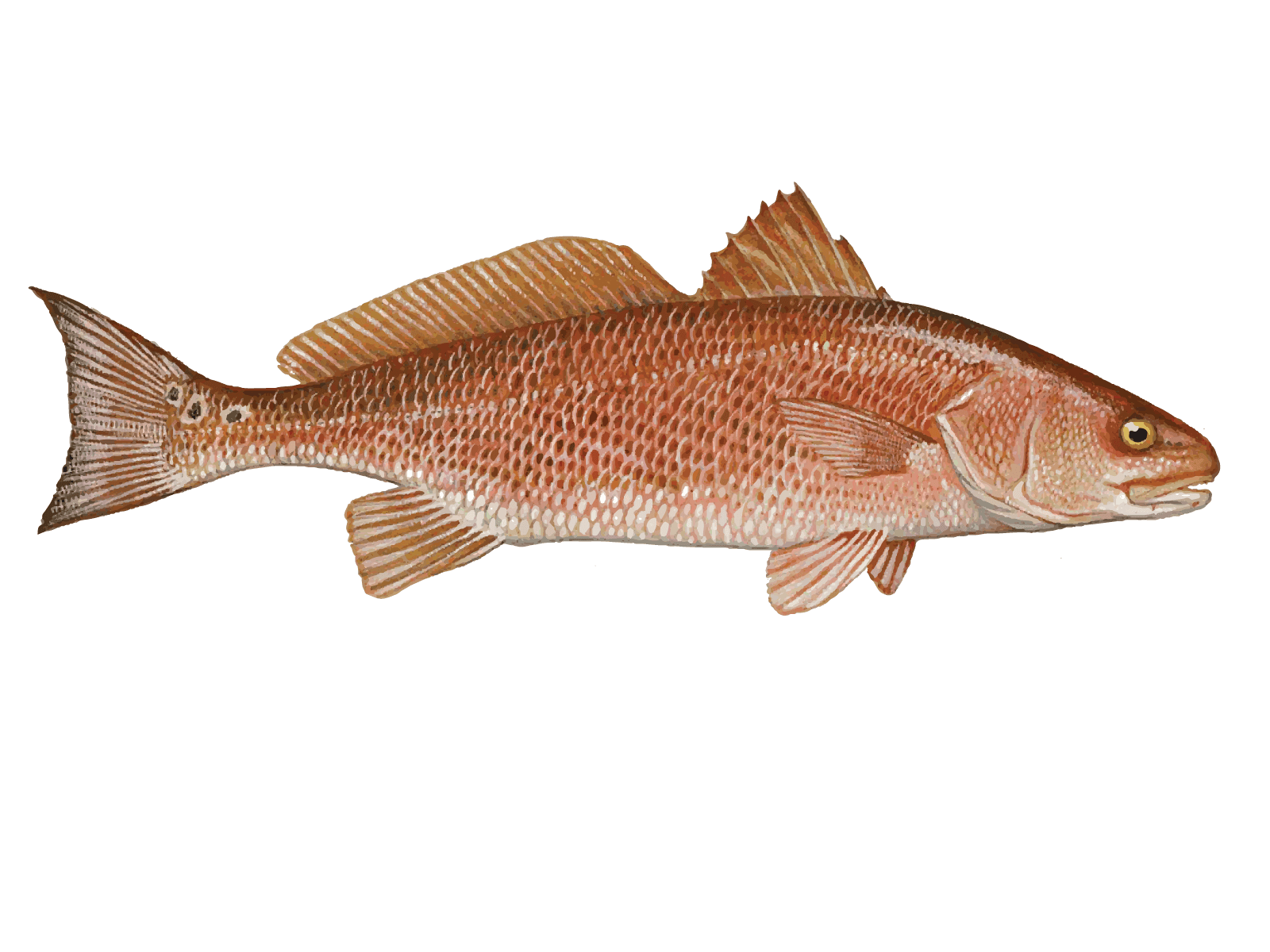
Redfish
Redfish are the bread and butter of our Chassahowitzka flats, and they're what most guests get fired up about. These copper-colored bruisers with the signature black spot typically range from 18-27 inches in our slot, with plenty of oversized bulls pushing 35+ inches. They patrol oyster bars, mangrove shorelines, and shallow grass flats in 1-4 feet of water, often so shallow their backs show above the surface. Year-round fishing is solid, but fall and spring offer prime conditions when they school up and feed aggressively. What makes reds special is their powerful runs, stubborn fights, and that heart-stopping moment when they crush a topwater lure in skinny water. The meat is firm and mild, perfect for blackening. Pro tip: look for "nervous water" - those subtle ripples and wakes that give away feeding redfish before you actually see them.
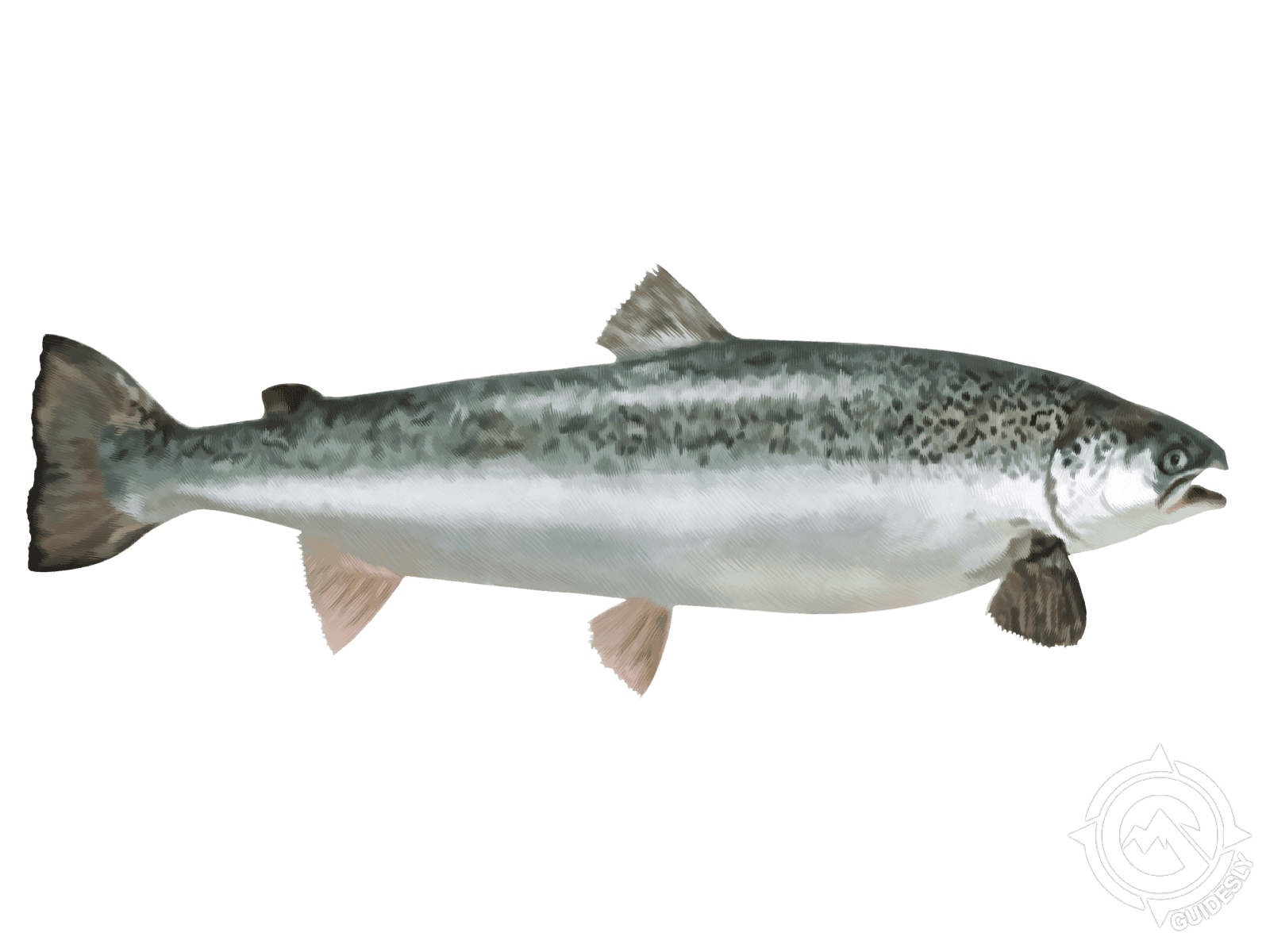
Sea Trout
Speckled trout are perfect for anglers wanting steady action in our grass flats and shallow bays. These spotted beauties average 14-18 inches with occasional keepers hitting 20+ inches and 3-4 pounds. They cruise seagrass beds, sand holes, and drop-offs in 3-8 feet of water, feeding on shrimp, pinfish, and glass minnows. Peak season runs from fall through spring when cooler water concentrates them in deeper pockets and channels. Trout are popular because they bite readily, fight well for their size, and make excellent table fare with sweet, tender meat that's perfect for the dinner table. The cooler months often produce schools of fish that'll keep your rod bent all day. Here's a local trick: when the water drops below 60 degrees, focus on the deeper cuts and channels where trout stack up - you'll often find multiple species feeding together.
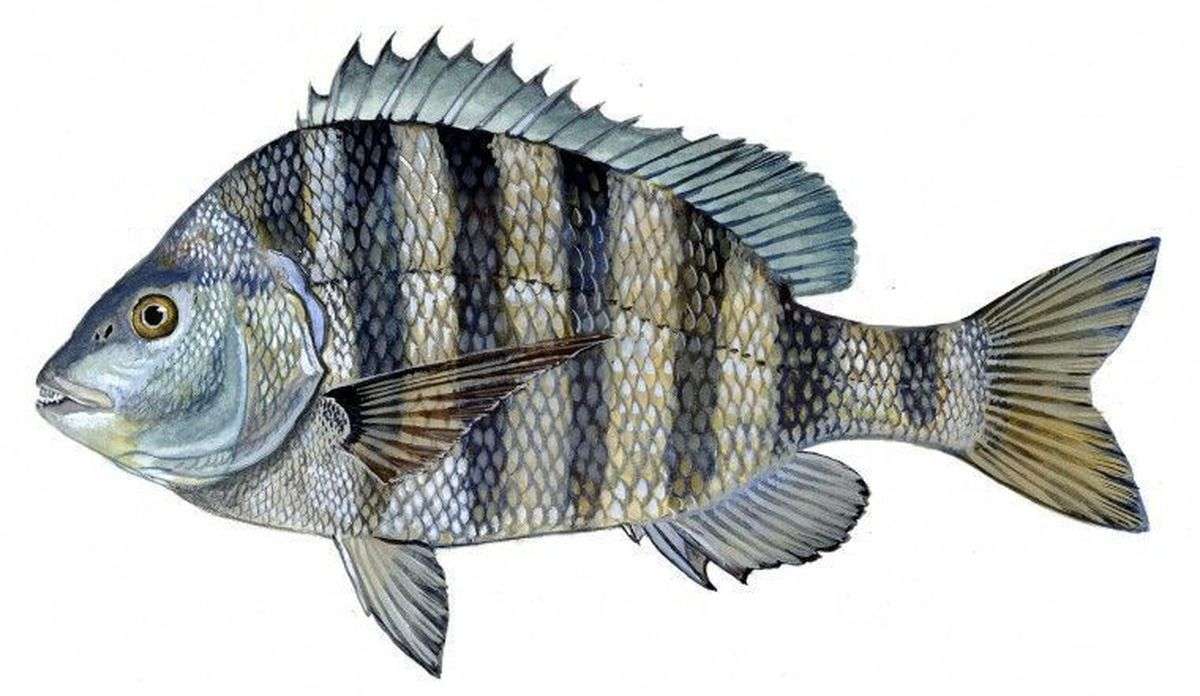
Sheepshead
Sheepshead are the convict fish of our local waters, sporting those distinctive black stripes and human-like teeth that can crush barnacles with ease. Most run 2-5 pounds and 14-18 inches, though we occasionally hook into 8-10 pounders around deeper structure. They hang tight to docks, bridge pilings, and oyster bars where they feed on crabs, barnacles, and shrimp. Spring months from March through May offer the best action when they're spawning around passes and structures. What guests love about sheepshead is their sneaky bite and surprisingly strong fight for their size - they'll test your drag and make solid runs. The white, flaky meat rivals snapper for table fare. My tip: use small hooks and keep your bait tight to structure. They're notorious bait thieves, so when you feel that subtle tick-tick-tick, set the hook hard and fast.
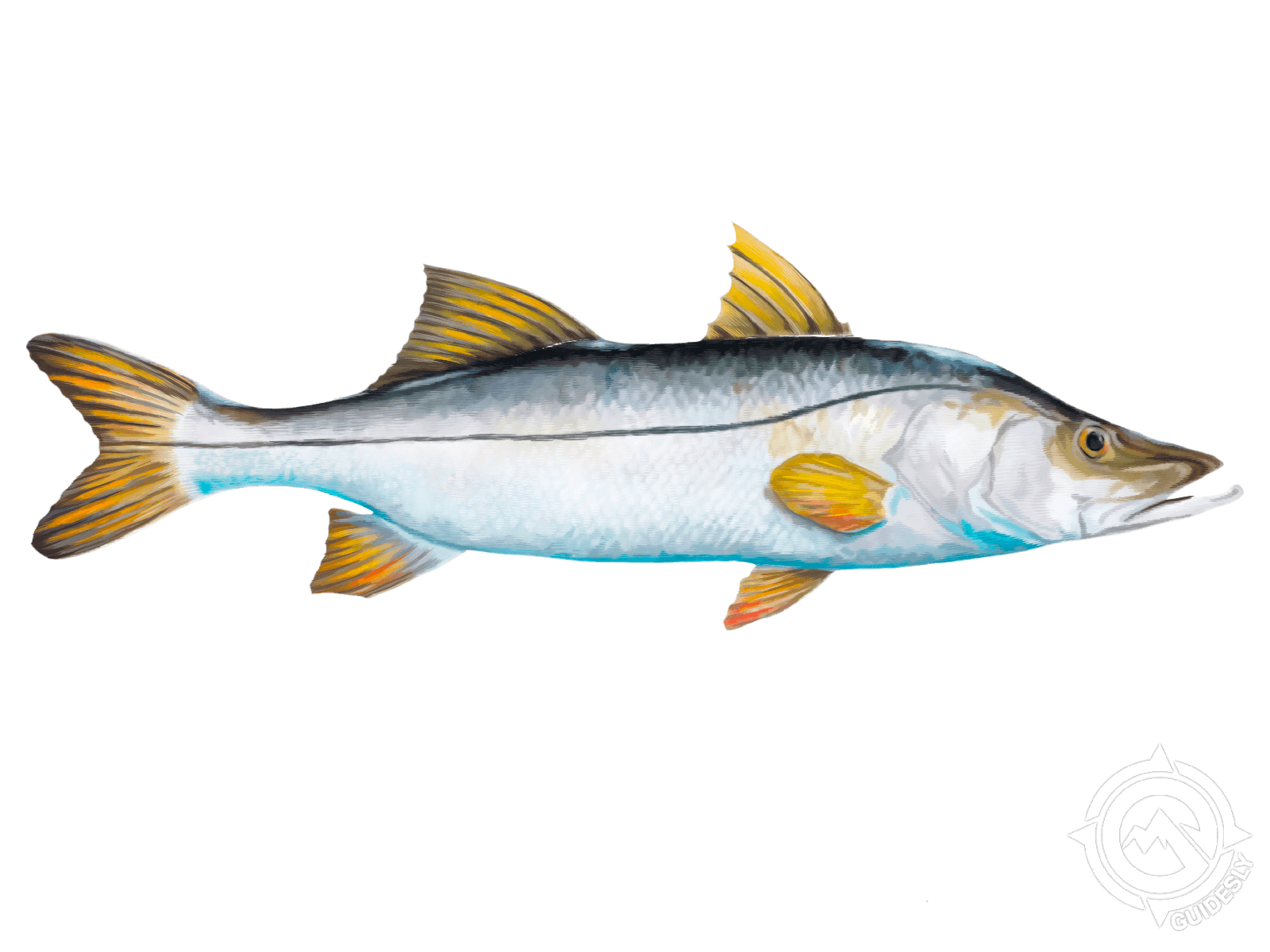
Snook
Snook are one of Florida's premier inshore game fish, and the Chassahowitzka backcountry holds some real beauties. These sleek, golden fish with that distinctive black lateral line typically run 18-28 inches, though we regularly see slot fish in the 28-33 inch range. They love ambush spots around mangroves, downed trees, and creek mouths in 2-6 feet of water. Best action happens during warmer months from April through October, especially around dawn and dusk. What makes snook so special is their explosive strike and acrobatic fight - they'll jump, gill-rattle, and make blistering runs toward structure. The meat is excellent eating too, sweet and flaky. Pro tip: when working mangrove shorelines, cast your lure past the fish and work it back parallel to the cover - snook hate having baits dropped right on their heads.
Tripletail
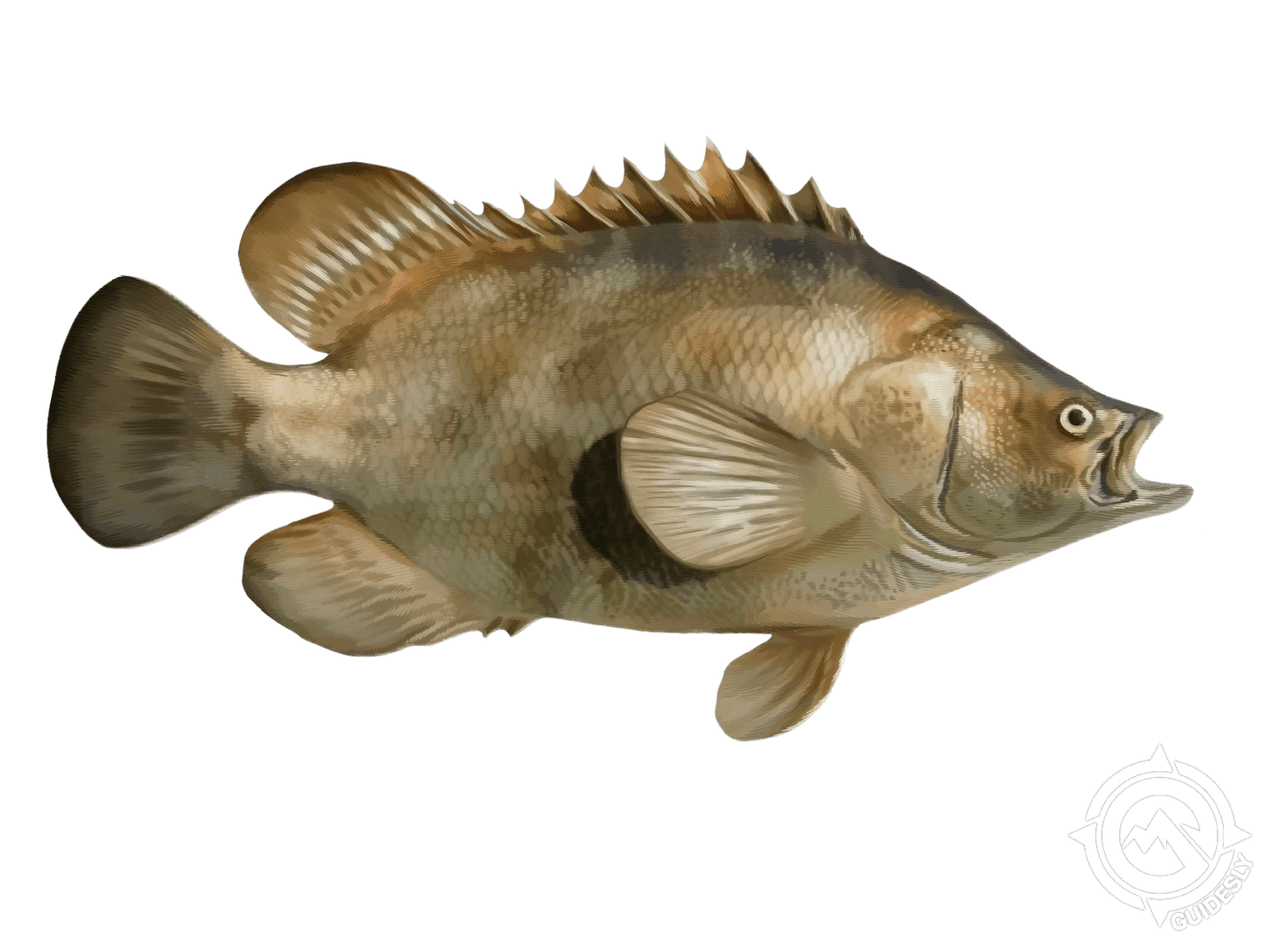
Tripletail are one of our most unique catches - oddball fish that look like floating debris until they explode on your bait. These mottled brown and olive fish average 5-10 pounds but can push 20+ pounds, with that distinctive triple-fin look from their rounded dorsal and anal fins. They float near the surface around weed lines, channel markers, and floating debris, often lying on their sides to mimic drifting leaves. Summer through early fall brings the best action when they're most active in our coastal waters. Guests love tripletail for their surprising acrobatics and excellent table fare - the firm white meat rivals grouper or snapper. They're sight-fishing targets that'll test your casting skills. Here's the key: when you spot one floating, cast well past it and slowly work your bait back - they spook easily but once hooked, they'll jump and fight like fish twice their size.
About the Jon boat
%2F%2Fusers%2Fa88fec25-f0a6-4bc2-9119-f092fa74e2f2%2Fvehicle_picture%2F2-mk4ppgt8.jpg&w=1920&q=75)
Vehicle Guest Capacity: 2
Manufacturer Name: Mercury
Maximum Cruising Speed: 26
Number of Engines: 1
Horsepower per Engine: 50